
CEO Pulse Podcast | Mindset Monday
TL;DR
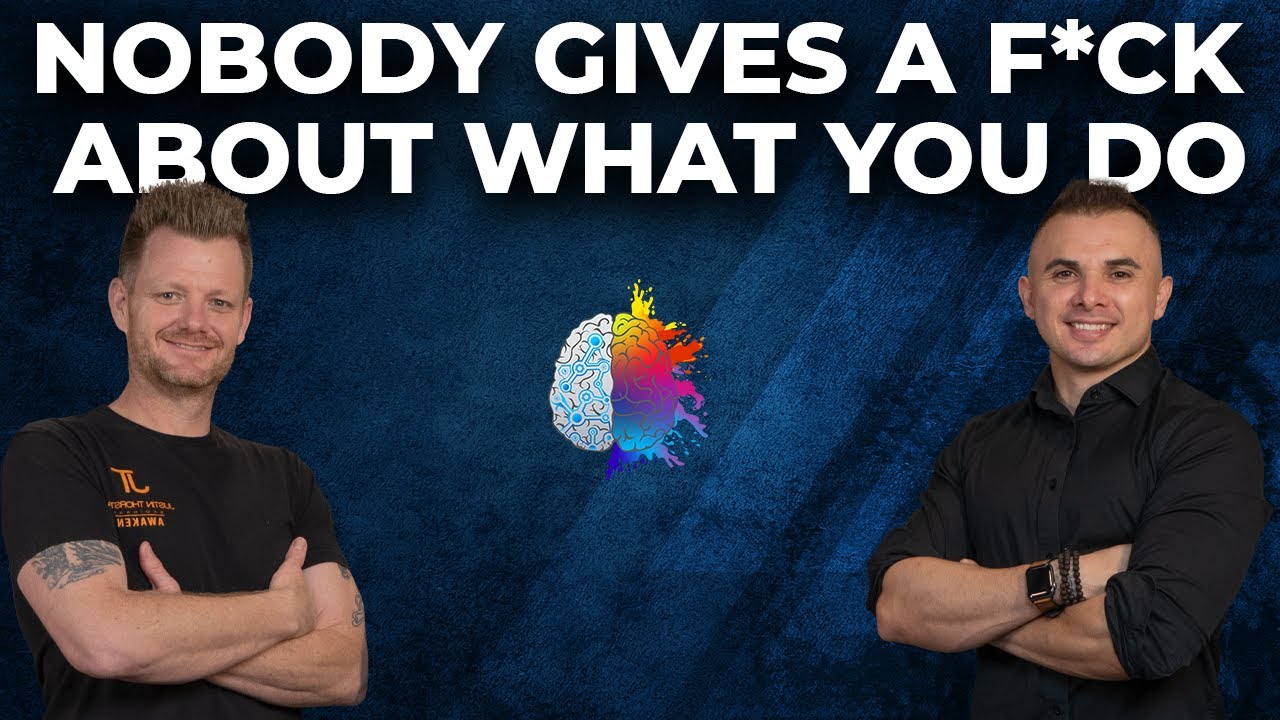
In this Mindset Monday episode, Rafael Cortez and co-host Justin Thorstad explore why entrepreneurs take themselves too seriously. They cover ego, conditioning, fear of failure, the pressure of proving worth, a simple nightly journaling practice, and how to keep perspective so stress stops blocking your flow.
What you will learn in this episode
- Why entrepreneurs take themselves and their actions too seriously
- How ego, fear and conditioning create pressure
- Why chasing results to feel worthy never lasts
- How to ask what your business is really here to contribute
- A nightly journaling practice for self awareness
- How to zoom out and keep perspective
Why do entrepreneurs take themselves too seriously?
What does it mean to take yourself too seriously?
Rafael Cortez, host of the CEO Pulse Podcast and an Organizational Psychologist, opens this Mindset Monday episode with co-host Justin Thorstad. The topic comes from The Power of Intention by Wayne Dyer, a book Rafael Cortez rereads about once a year. This time, one of its rules stood out: sometimes we take ourselves too seriously.
Rafael Cortez says entrepreneurs need a healthy dose of ego to put their dreams out there and be the engine behind a vision, especially when they are building companies and onboarding people. The trouble starts when that ego tips over and every action feels enormously important. He admits that much of his own stress comes from this, from the pressure he puts on himself about the impact of each decision.
Why does it feel like everything is a big deal?
After sitting with the idea for a couple of days, Rafael Cortez landed on a hard truth: most people are not thinking about what we do unless it affects them directly. In business, if an action does not work, there is usually another shot tomorrow or next week. Many mistakes can be repaired. He says his own fear of mistakes came from taking himself and his success too seriously, asking what happens if he messes up or if something is not perfect.
Rafael Cortez adds that when growth starts testing confidence, everything becomes pass or fail, as if one mistake could end the world. That self imposed pressure does little except stall the flow of progress.
How do ego and fear drive the pressure?
Justin Thorstad shares that he never struggled much with fear of failure early on, because he believed he did not know enough to plan long term strategy. He simply took the first steps, expecting mistakes and expecting to find out what he did not know. Even so, he says he took himself seriously for years. He recalls a quote he heard: your ego is not your amigo.
For Justin Thorstad, the ego is the personality, the concept of who you think you are, made up of beliefs and self image. He sees two basic energies, love and fear, with every other emotion a subset of one or the other. If you notice you are taking yourself too seriously, he suggests stepping back and asking where the pressure is coming from. Usually it comes from expectations about what should happen, when and how, and from a sense of lack that says you will be worthy once you hit a certain result.
Why does chasing results never feel like enough?
Justin Thorstad describes how, before he invested in personal development, he believed he was not enough and that success would prove otherwise. Each award, recognition or big win gave a thrill that lasted minutes, maybe a day or two, and then the question became what is next. The more he succeeded, the more he needed. He compares it to chasing a high.
Rafael Cortez notes that this builds a habit of performance, and that anything in excess can be detrimental. If you lean too hard on results and forget to smile or enjoy the moment, the counterbalance a healthy mind needs disappears. He also raises classical conditioning. Many desires and ambitions are not truly ours. We picked them up from TV or from watching someone else, which is why some doctors and lawyers dislike the profession they chased.
Justin Thorstad adds that entrepreneurs should ask about the essence of the business: what does it contribute, and can it make an impact beyond you? If the real reason is to make a lot of money fast, the underlying tone is fear, which brings pressure and burnout.
Where does the feeling of not being enough come from?
Justin Thorstad explains that people are born whole and then conditioned by the adults around them to believe they are inadequate or not significant. A child who is scolded for something small may decide they are not good enough, when the adult may simply have had a bad day. He shares a story from a book of a little girl who loved to sing until a parent lashed out one day, and she never sang again. The belief was not true, but it stuck.
He stresses that he is talking about wholeness, not skills. Each time an old inadequacy surfaces, it is a chance to notice it and decide who you want to be. Neuroplasticity shows the brain can unlearn old pathways and build new ones.
How can awareness change the next generation?
Rafael Cortez says the key is that anyone listening already has awareness. Ideas like meditation and self reflection are now mainstream, so there is no excuse not to stop the chain of conditioning passed down through generations.
He shares a personal story from the period when he was burned out running a transportation business. He came home in a very dark headspace and reacted harshly to his young son over a messy room. He felt bad immediately, apologized afterward, and years later told his son about it. Today that son is, in his words, his best friend. Rafael Cortez says the moment taught him a big lesson about awareness and about how easily we make ourselves the center of the world. If he had kept reacting that way, he believes his son would have grown up treating every action as a high stakes test.
Justin Thorstad relates to this. He says his early life shaped his personal development path, and that reframing the relationship he had with himself was the shift. It takes patience and grace, since only the ego is in a hurry.
What practical steps reduce the pressure?
Justin Thorstad shares a simple journaling routine. At night, write where you won today, even if it is one tiny thing, such as pausing instead of reacting. Then write where you fell from grace, the moments you reacted from habit. This is not to build evidence of how much you fall short, but to notice. When you wake, before getting out of bed, set an intention: who do I want to be today, how do I choose to think, and what emotions do I want to express.
Justin Thorstad also says a day is just a day. What matters is how you respond. Progress comes day by day, brick by brick, with no need to rush.
Rafael Cortez adds that stress shows up every time he takes himself too seriously, and one thing that helps is looking at the big picture. If he took himself out of the equation, his family would be okay and life would find a way to fall back into place. He is not minimizing anyone's importance. He is pointing to the amount of pressure we create inside ourselves, and how a flood of what if thoughts, most of which will never happen, creates fear and confusion.
How do you keep perspective and stay in flow?
Rafael Cortez shares a funny moment from that morning. A man stepped into the street right as he was approaching a freeway on ramp, and he felt a flash of anger. Then he caught himself and thought about how the universe is a kind universe, and how many times he has been the one stepping out at the wrong time while life kept being kind to him. He laughed, and nearly turned back to apologize. His point is that we make mistakes regularly and still expect life to flow our way, so being in alignment with kindness matters.
He then invites listeners to zoom out from the neighborhood to the city, the planet and the solar system. At that scale, we are small, and heavy stress and fear kick us out of flow.
Justin Thorstad closes with the idea that worthiness is not on trial. Creating from conscious choice and harmony, rather than from lack, lets you release attachment to outcomes. Even if a market shift wiped out his businesses, he says, something new would be reborn. Every moment that does not go as expected is a chance to become aware, accept it and move forward. Rafael Cortez sums it up: do not take yourself too seriously, follow your heart and take action.
Key takeaways
- Ego is useful in small doses. A little confidence drives a vision, but too much makes every action feel high stakes.
- Most mistakes can be repaired. You usually get another shot tomorrow or next week.
- Results alone never feel like enough. Chasing results to prove worth gives a brief thrill and then the need returns.
- Ask what your business is for. A purpose beyond money lowers the pressure and the attachment to outcomes.
- Journal wins and slips. Noticing both each night builds awareness without self judgment.
- Zoom out for perspective. Seeing your place in the bigger picture helps stress fade so you stay in flow.
Quotes from the conversation
“Your ego is not your amigo.”
Justin Thorstad, 5:14
“It's just day by day by day, brick by brick.”
Justin Thorstad, 35:35
“The universe is a kind universe”
Rafael Cortez, 37:31
Episode chapters
| 0:00 | Welcome to Mindset Monday |
| 1:34 | Rule number six and taking ourselves too seriously |
| 4:01 | Fear of failure and the ego |
| 7:04 | Chasing results and conditioning |
| 9:27 | What is the essence of your business? |
| 14:12 | Where feelings of not enough begin |
| 20:25 | A lesson in awareness as a parent |
| 33:13 | A nightly journaling practice |
| 36:18 | A kind universe and flow |
| 39:26 | Zooming out and letting go |
Who is on this episode?
Justin Thorstad
Justin Thorstad is Rafael Cortez's co-host on the Mindset Monday series. In this episode he shares his own experience with ego, conditioning and personal development.
About the host: Rafael Cortez
Rafael Cortez is the host of the CEO Pulse Podcast, an Organizational Psychologist and a real estate broker and investor based in Phoenix, Arizona. Raised in Yuma, Arizona, he became one of the youngest firefighters in Yuma County at 19 and launched his first business at 21. He has been involved in more than 1,300 real estate deals since 2009 and mentors entrepreneurs through the L.E.S.S. Business philosophy: Lean, Effective, Strategic, Simple. Rafael is the founder of CEO Pulse, Pulse Realty and Pulse Capital and the creator of REI Pulse CRM, and he mentors wholesalers in group and 1 on 1 settings. Read Rafael Cortez’s full bio.
Questions and answers
Why do entrepreneurs take themselves too seriously?
Rafael Cortez says a healthy ego helps drive a vision, but it can tip into treating every action as a big deal. The pressure often comes from fear of mistakes and a need for validation.
What did Justin Thorstad mean by your ego is not your amigo?
Justin Thorstad describes the ego as the personality, the concept of who you think you are built from beliefs and self image. When it runs the show, it creates expectations and pressure that feel urgent but come from a sense of lack.
Why does chasing results never feel like enough?
Justin Thorstad explains that achievements brought only a short thrill, then the need for the next result returned. If success is used to prove your worth, there is always another goal to chase.
How can you reduce stress and pressure as an entrepreneur?
Rafael Cortez suggests looking at the big picture and remembering that most mistakes can be repaired. Justin Thorstad adds a nightly journal of wins and slips plus a morning intention.
What journaling practice does Justin Thorstad recommend?
Justin Thorstad suggests writing one small thing you did right and one moment you reacted from habit, without judging yourself. In the morning, he suggests setting an intention for who you want to be and how you want to respond that day.
What question helps you find the purpose of your business?
Justin Thorstad suggests asking what your business contributes and whether it can make an impact beyond you. A genuine purpose reduces attachment to outcomes and the pressure that comes with it.
Related episodes
Build your business on systems
Rafael Cortez built REI Pulse CRM from the systems he runs his own deals on. See how it works for wholesalers and investors.
Explore REI PulseBrowse every CEO Pulse Podcast episode · About Rafael Cortez · YouTube · Apple Podcasts · Spotify
